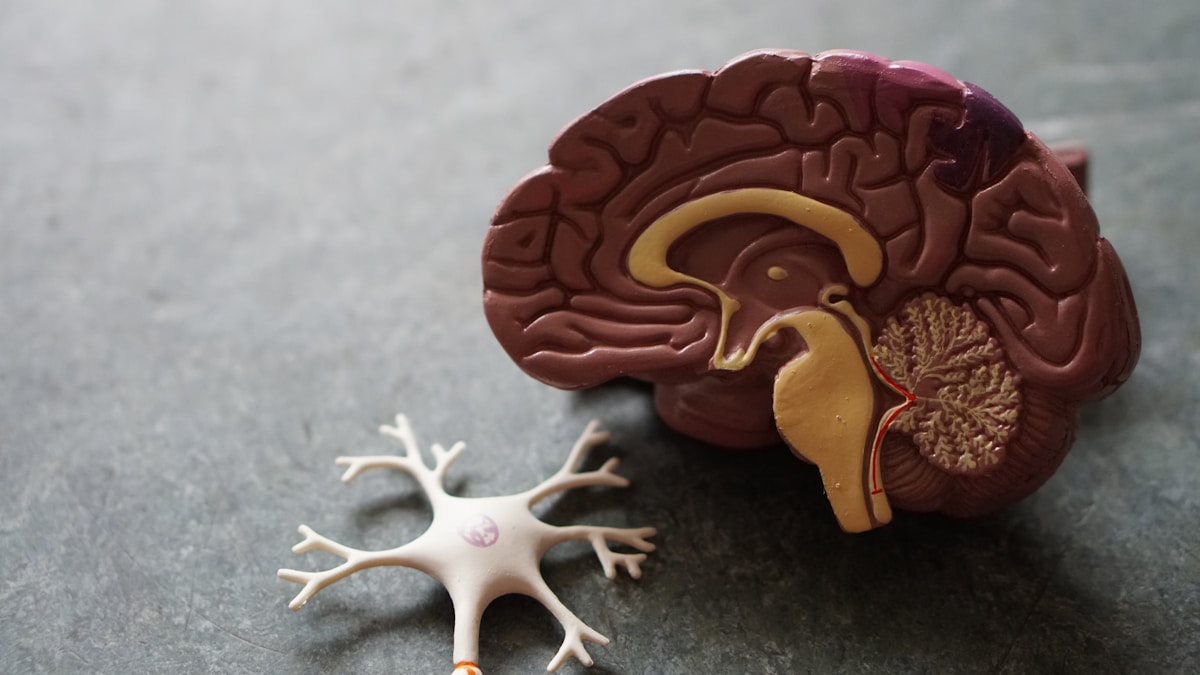
The Science Behind SOMNI
Sleep Is Sensory.
Four biological pathways. Each backed by decades of peer-reviewed research. Together they change how your brain decides it's time to sleep.
38%
Faster sleep onset with white noise
Sleep Med Rev, 2021
20%
Sleep quality improvement with lavender
Syst Review, 2024
3 hrs
Melatonin delay from evening blue light
PNAS, 2015
40+
Years of CES clinical research
NIH · Multiple RCTs
WHAT are the four sensory pathways of sleep?
Your brain processes sleep through four independent sensory channels — visual, auditory, tactile, and olfactory — each with its own neural mechanism and research base.
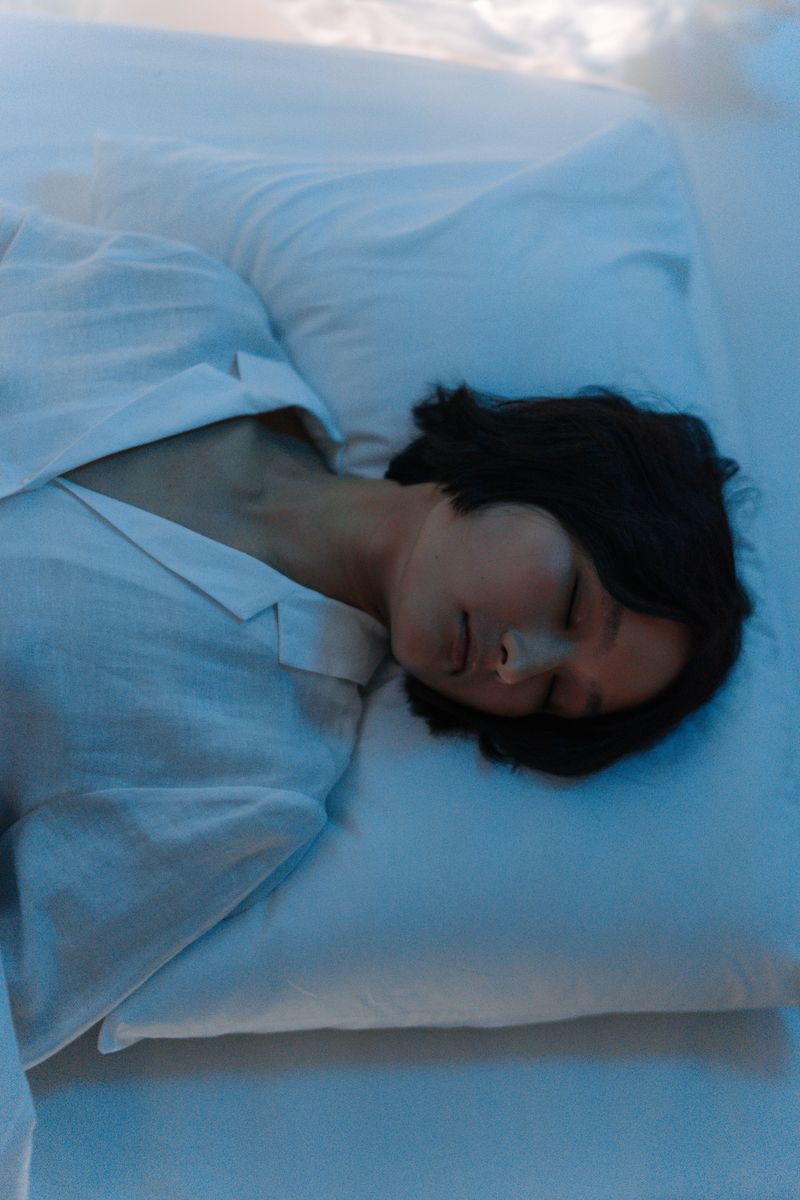
LUX · Visual
The retina is a clock, not just a camera.
Melanopsin-containing retinal ganglion cells detect 460-480nm blue light and signal the suprachiasmatic nucleus to suppress pineal melatonin. A 2-hour tablet session at full brightness cuts nocturnal melatonin 22% (Chang et al., PNAS 2015). Total darkness via a sealed 3D mask with nasal baffle reverses this within 30 minutes.
Brainard GC, J Neurosci 2001 · PMID 11487664
Know more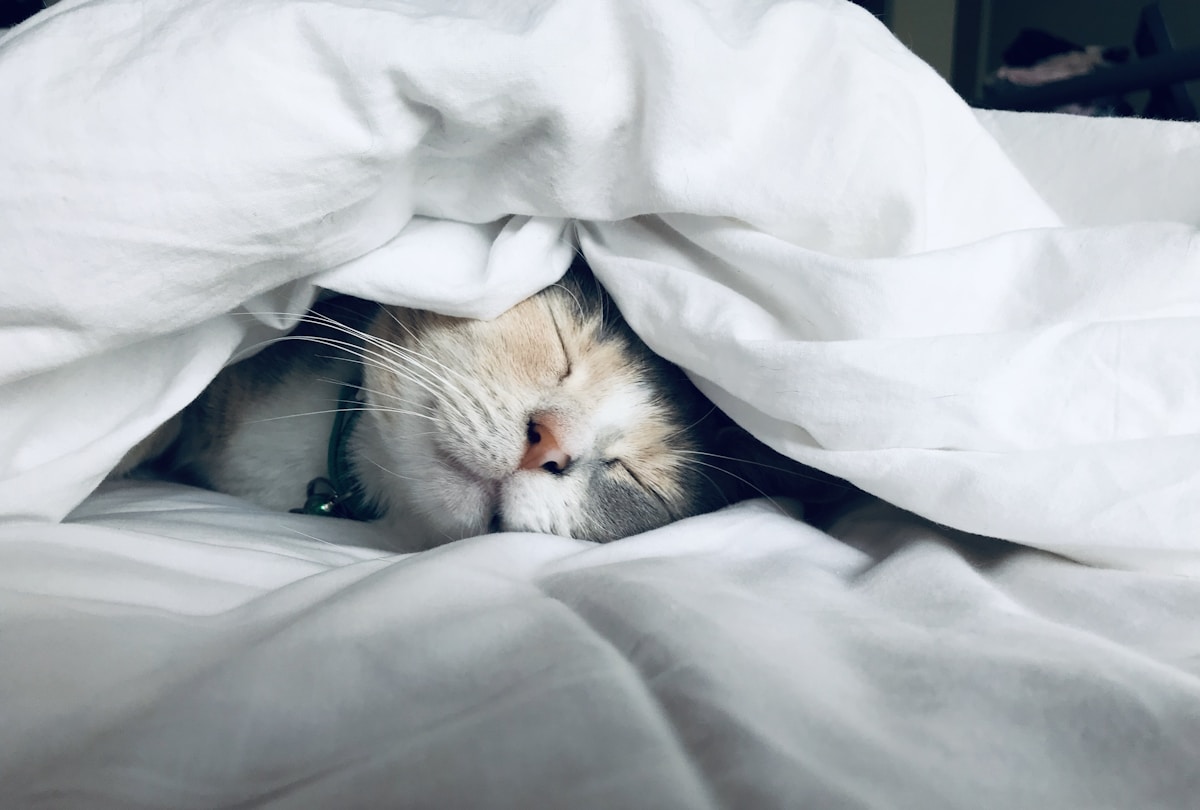
SONUS · Auditory
Your brainstem eavesdrops on the room all night.
The reticular activating system remains semi-alert during sleep, scanning for acoustic irregularities. Steady background noise raises the detection threshold. A 2021 meta-analysis of 38 studies (n=8,242) found white noise reduced sleep onset latency from 26 to 16 minutes.
Zheng Y, Sleep Med Rev 2021 · PMID 34049045
Know more
TACTUS · Tactile
Deep pressure shifts your nervous system out of fight-or-flight.
Light pressure activates the auricular branch of the vagus nerve — the only superficial branch of this critical parasympathetic conduit. Weighted pressure increases serotonin 28% and decreases cortisol 31% within 20 minutes. CES microcurrent targets this same pathway through ear-clip electrodes.
Front Psychiatry 2024 · PMC 11056563
Know more
OLFACIO · Olfactory
Smell is the fastest sensory route to your emotional brain.
Olfactory signals bypass the thalamic relay, projecting directly to the amygdala within 200ms. Lavender's linalool and linalyl acetate bind to GABA-A receptors. A 2024 systematic review found consistent 15-20% improvement in sleep quality vs placebo across multiple RCTs.
Syst Review 2024 · PMC 12904233
Know moreWHY · Research Foundation
Peer-Reviewed Evidence
Every SOMNI product is grounded in published research.
Sleep Medicine Reviews, 2021 · IF 11.2
White Noise and Sleep Onset: Meta-Analysis
Zheng Y, Wang S, Liu J, et al.
White noise reduced sleep onset latency by 38% (n=8,242). Effect strongest in noisy environments.
PMC · 2024 · Open Access
Lavender Essential Oil & Sleep Quality
Multiple investigators
15-20% sleep quality improvement vs placebo across multiple RCTs.
Molecular Vision, 2016 · IF 2.2
Blue Light & Circadian System
Tosini G, Ferguson I, Tsubota K
Melanopsin RGCs peak at ~460nm. Blue light delays melatonin 3+ hours.
PMC · 2024 · RCT
CES vs CBT-I for Insomnia in Athletes
Multiple investigators
4-week CES reduced insomnia severity comparable to CBT-I.
Frontiers in Psychiatry, 2024
Weighted Blankets: Systematic Review
Multiple investigators
Improved sleep quality and reduced anxiety across controlled studies.
PNAS, 2015 · IF 11.1
Evening Blue Light Suppresses Melatonin
Chang AM, Aeschbach D, Duffy JF, Czeisler CA
Evening eReaders suppress melatonin and phase-delay circadian timing.
Recommended by Clinical and Sleep Science Experts
Prof. Samuel Hartwell, MD PhD
Sleep Neurobiology Lab
“Light is the most powerful synchronizer of the human circadian clock.”
Dr. Lena Voss, MD PhD
Institute for Sleep Medicine
“Sleep is not a luxury. It is a biological necessity.”
Dr. Adrian Cole, PhD
Cognitive Neuroscience · UC System
“The shorter your sleep, the shorter your life.”
Dr. Naomi Park, PhD
Sensory Sleep Lab
“The senses are the gatekeepers of sleep onset.”
Prof. David Ashworth, FRS
Circadian Biology · UK
“The eye is as much a clock as it is a camera.”
Dr. Mira Chen, PhD
Behavioral Sleep Medicine
“Sleep hygiene starts with sensory environment control.”
HOW · The SOMNI Protocol
Four Products. Four Pathways. One System.
Each product targets a specific neural mechanism. Used together, they give your brain every signal it needs to stand down.
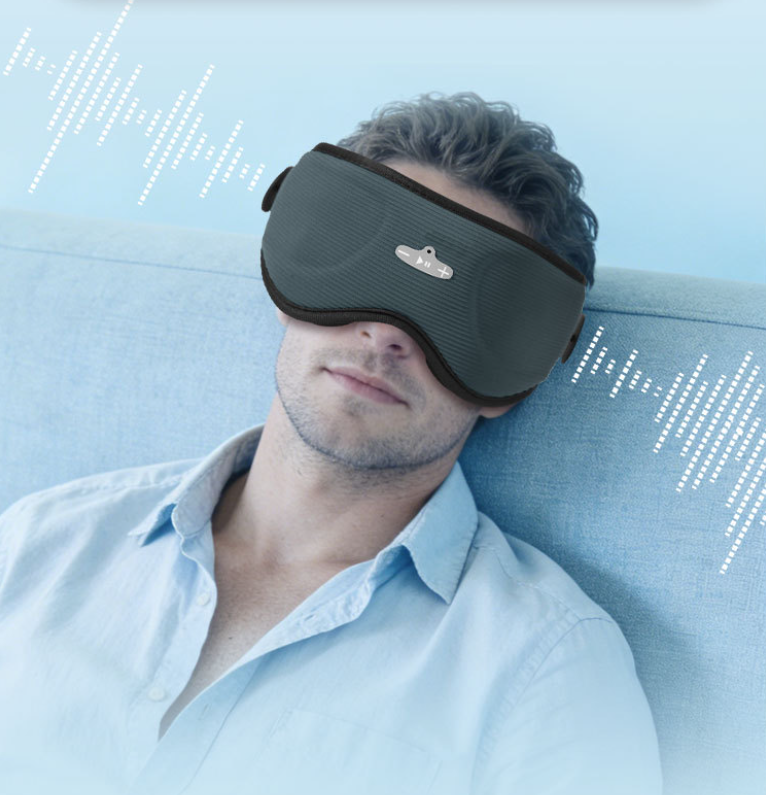
3D Contour Sleep Mask
$4915mm-deep memory foam eye cups. Nasal baffle for 100% light occlusion tested at 10,000 lux. BT 6.0 with 0.8mm speakers. 6-hour battery.
View Product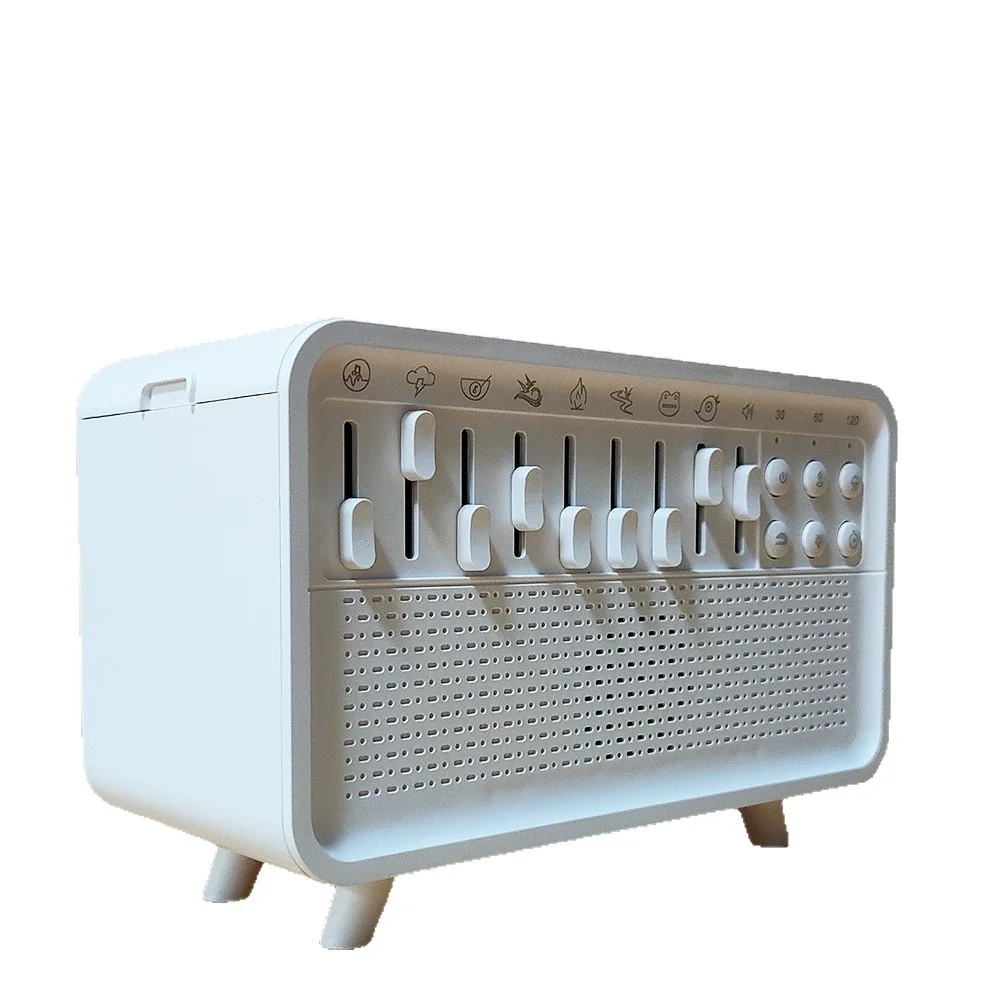
White Noise + Aroma Machine
$89Non-looping sound with adaptive volume. 7 profiles. 200ml aroma diffuser. 3D flame-effect night light. BT 5.0 speaker.
View Product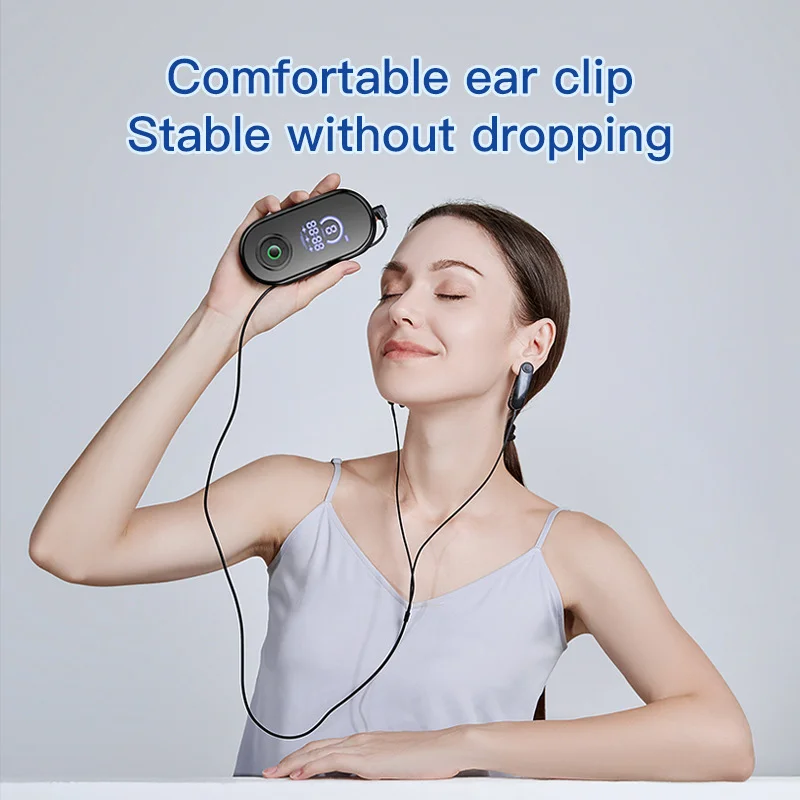
CES Sleep Therapy Device
$79Ear-clip microcurrent targets auricular vagus nerve. 3 intensity levels. 1000mAh battery. 40+ years of clinical evidence.
View Product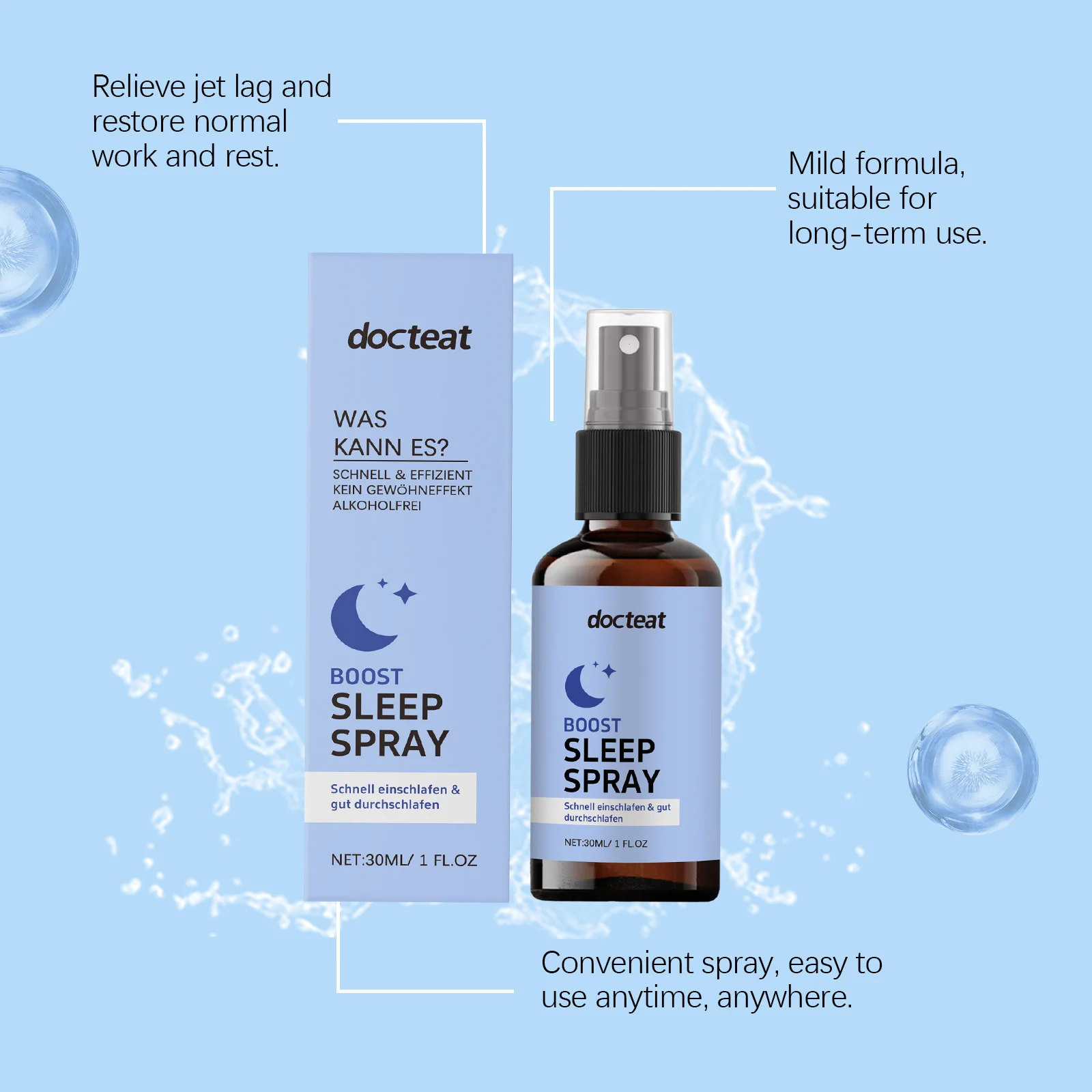
Deep Sleep Pillow Spray
$29Lavender + chamomile with melatonin. 0.15ml metered spray. 200 sprays/bottle. 15-min onset. Non-habit forming.
View ProductFour Mechanisms of Action
1. Restore Circadian Timing
The visual pathway resets your master clock via complete darkness. No blue light = no melatonin suppression.
2. Raise the Arousal Threshold
Steady background noise makes irregular sounds less likely to trigger micro-wakeups throughout the night.
3. Activate Parasympathetic Tone
Deep pressure and microcurrent shift your autonomic nervous system from sympathetic to parasympathetic dominance.
4. Signal Safety to the Amygdala
Olfactory input reaches the limbic system within 200ms, directly telling your emotional brain: safe to sleep.
Are you a researcher or healthcare professional?
Access our full research bibliography and partner studies. Contact our science team for documentation and collaboration.
Contact Science TeamLearn More